
Understanding the Basics of Bluffing
Bluffing is a fundamental strategy in poker that can drastically change the outcome of a game. At its core, bluffing is about intentionally misleading your opponents regarding the strength of your hand. Successful bluffing requires a keen awareness of your own position, a deep understanding of your opponents’ playing styles, and a grasp of the overall dynamics present in the game. Players often resort to bluffing to create the illusion that they hold a stronger hand than they actually do, thereby persuading others to fold or make hasty decisions that can lead to a more advantageous situation for the bluffer; this is why many enjoy the excitement of playing at a neosurf casino instant withdrawal australia for their gaming experience.
The essence of effective bluffing lies in timing and situational awareness. Experienced players know precisely when to execute a bluff based on several factors, including betting patterns, their own table image, and the community cards displayed. By observing these elements, you can pinpoint the right moments to make your move, utilizing the unpredictability of poker to your advantage. Additionally, accurately reading your opponents is crucial; if you sense weakness in their betting behavior or body language, that could signal the perfect opportunity to launch a bluff.
Moreover, the psychological component of bluffing is significant. Each player enters the game with their own mindset and emotional state, and understanding how to manipulate these factors can give you a competitive edge. The ultimate goal is to instill doubt in your opponents, compelling them to reconsider their decisions. As you continue to practice and enhance your bluffing skills, you will gain insights into the subtle cues that indicate when your opponents might be vulnerable to your deception, allowing you to execute bluffs with greater confidence.
Types of Bluffs in Poker
In poker, different scenarios necessitate various types of bluffs. The primary categories include pure bluffs, semi-bluffs, and value bluffs. A pure bluff is executed when a player has no chance of winning if the hand goes to showdown, relying entirely on the hope that opponents will fold. This type of bluff is high-risk but can yield substantial rewards if executed successfully. In contrast, a semi-bluff involves betting or raising with a hand that may not currently be strong but possesses the potential to improve with subsequent cards. This strategy allows players to win in two ways: by forcing opponents to fold or by drawing a favorable card that strengthens their hand.
Value bluffs are somewhat different from traditional bluffing strategies. They are executed with a hand that is likely strong but not invincible. The intention here is to extract maximum value from opponents who may overestimate the strength of their own hands. For instance, if you are holding a decent hand, betting aggressively can entice your opponents to call, believing they have the superior hand. Mastering the art of shifting between these types of bluffs is essential for enhancing your overall poker strategy, as it keeps your opponents guessing and less able to predict your actions.
)
Additionally, practicing these different types of bluffs in low-stakes games or online platforms can be immensely beneficial for honing your skills without the financial risk. The more comfortable you become with the nuances of each bluff type, the more effectively you can incorporate them into your overall game plan. Remember, the success of any bluff largely hinges on its believability and how your opponents perceive your actions, making it vital to adapt your approach to the specific situation at hand.
Reading Your Opponents
The ability to read your opponents is arguably the most valuable skill a poker player can develop. By observing their behavior, betting patterns, and reactions, you can gain critical insights into their potential holdings. For example, a player who suddenly becomes quiet or hesitant may be signaling uncertainty, indicating a prime opportunity for a bluff. Conversely, a player who displays excessive confidence might actually be holding a weak hand, thus necessitating a different strategic approach from you.
Paying attention to physical tells is also an essential part of reading players. While online poker limits this ability, in-person games provide opportunities to observe body language and facial expressions. A nervous player might exhibit signs of fidgeting or avoid making eye contact, offering valuable cues about their confidence in their hand. Experienced players often intertwine their own tells with strategic deception to keep opponents off-balance, enhancing their ability to bluff effectively.
Furthermore, it’s crucial to consider your opponents’ past actions. If a player has frequently folded to aggression, they may be more susceptible to a bluff at the right moment. However, if they have been calling bets without hesitation, this might indicate a strong hand. Gathering this intelligence builds a foundation for your bluffing decisions, allowing you to make informed choices that are more likely to succeed against diverse playing styles. The more adept you become at reading your opponents, the more effective your bluffing strategy will be.
Developing a Bluffing Strategy
To create a successful bluffing strategy, players must combine their understanding of the game with experience and adaptability. One effective approach is to establish a balanced game plan that incorporates both strong and weak hands. By mixing up your playstyle, you can keep your opponents guessing, thereby making them more likely to fall for a bluff. A well-rounded strategy should also include clear criteria for when to bluff, taking into account your hand’s strength, your opponents’ tendencies, and the stage of the game.
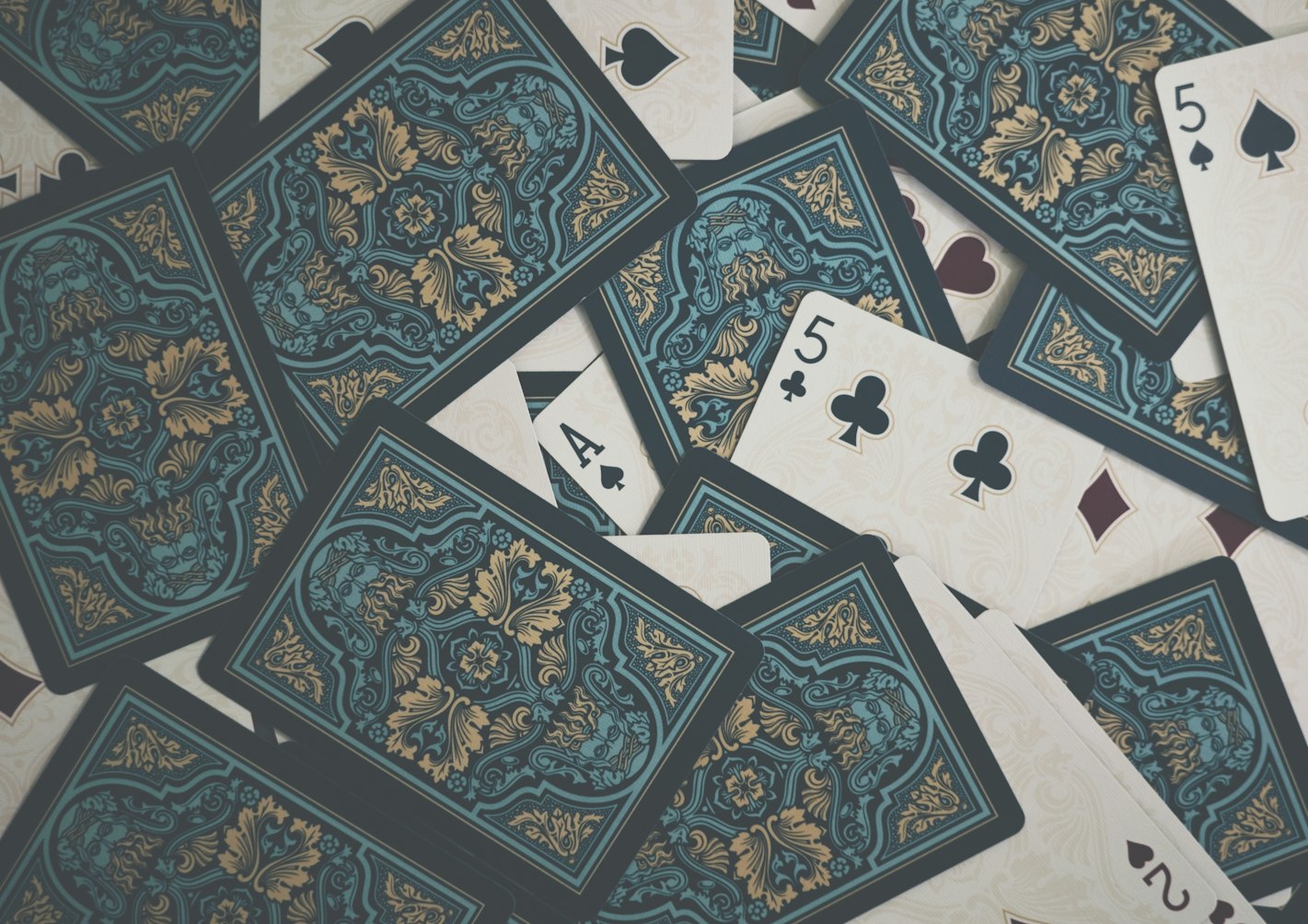
Your table image, or how you are perceived by others, also plays a significant role in your bluffing strategy. If you have established a reputation as a tight player who only bets with strong hands, your bluffs will carry more weight. On the other hand, if you frequently bluff and get caught, your credibility may diminish, making future bluffs less effective. It’s essential to cultivate a positive table image, as this will influence how your opponents react to your betting patterns over the long term.
Finally, self-discipline is crucial for mastering the art of bluffing. Knowing when to push the boundaries and when to step back is vital. If your bluffs are consistently called, it’s imperative to reassess your strategy and adapt accordingly. Continuous practice, coupled with an analysis of both successful and failed bluffing attempts, will help refine your skills and adjust your approach to the evolving dynamics at the table. As you gain more experience and confidence, your ability to read the game and execute effective bluffs will only improve.
Learning More About Bluffing and Poker Strategy
If you’re eager to elevate your poker skills, especially in the realm of bluffing, numerous resources are available to support your journey. Books authored by poker professionals, online courses, and expert-led videos can provide insights into advanced strategies and psychological tactics that extend beyond basic gameplay. Engaging with poker forums and communities can also expose you to a wealth of experiences and tips shared by players of varying skill levels.
Moreover, participating in local poker clubs or online games presents practical experience and the chance to practice bluffing in real-time scenarios. By applying theoretical knowledge in practice, you will quickly identify what strategies work and which do not in diverse situations. Networking with more experienced players can yield invaluable mentorship opportunities, allowing you to absorb their knowledge and tricks of the trade, further enhancing your bluffing skills.
Ultimately, mastering the art of bluffing requires ongoing learning, practice, and self-reflection. Your proficiency in bluffing will evolve as you adapt to different playing styles, including your own. Keeping a poker journal to document your hands and decisions can facilitate personal growth, helping you identify patterns in your gameplay and paving your way toward becoming a more skilled poker player. Embracing the journey of learning will not only improve your bluffing but also enrich your overall poker experience.


